The short answer
Fortune cookies are not part of any New Year's Eve tradition or of Lunar New Year. They're a twentieth-century invention that became popular in American restaurants (read the full history). But they fit very well with what almost every culture does at this time of year: look for a sign of good luck for the year ahead. That's why they work as a table game, and below you'll find concrete ideas.
How different countries bring luck on December 31
| Country | Tradition | Meaning |
|---|---|---|
| Spain | Twelve grapes, one for each stroke of midnight | Twelve months of good luck. It's often traced to a grape surplus in Alicante in 1909, though some place similar customs earlier. |
| Mexico and Latin America | Red underwear (love) or yellow (money); walking around the block with a suitcase | Attracting love, prosperity or travel in the coming year. It varies a lot by country. |
| Italy | Lentils (lenticchie) with cotechino or zampone, and red underwear | Lentils look like tiny coins and are linked to money. |
| Germany | Bleigießen: melting metal and pouring it into cold water | The shape that forms is read as an omen. Today kits mostly use tin or wax, because lead is toxic. |
| Brazil | White clothes and jumping seven waves at the beach; lentils | Peace, renewal and prosperity. |
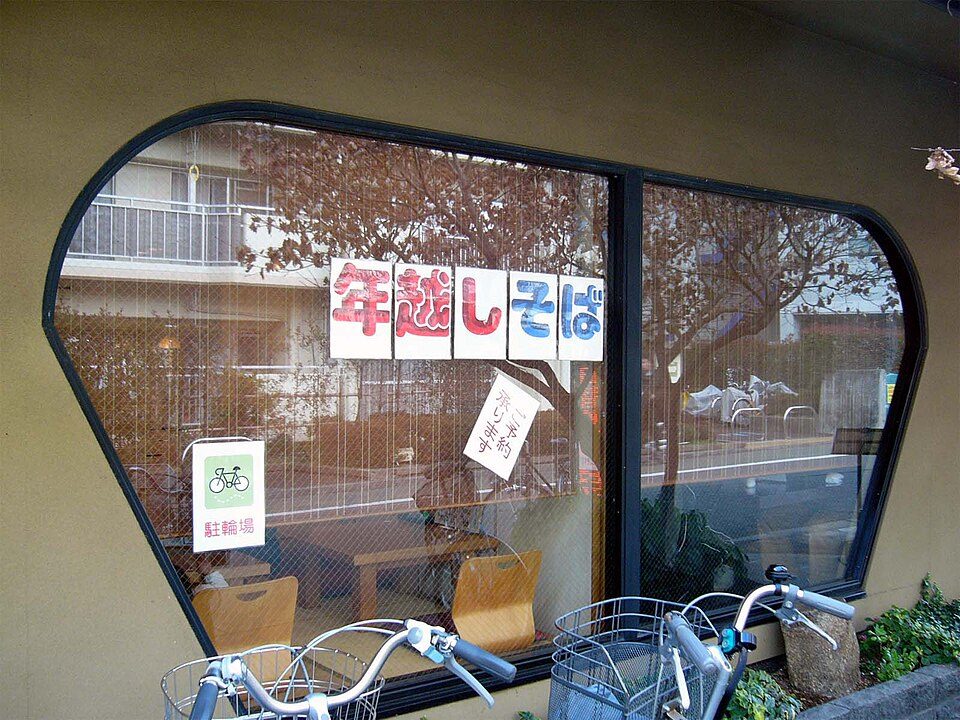
| Japan | Toshikoshi soba (long noodles) and the first shrine visit of the year | Long noodles symbolize a long life. At shrines people draw omikuji, paper slips with the year's fortune. |


Note the last one: drawing a paper slip with your fortune for the year at a shrine is a real Japanese ritual, and the fortune cookie also has Japanese roots. That doesn't mean one comes directly from the other, but it shows how natural it is to combine paper, chance and a new beginning.

Lunar New Year: are there fortune cookies?
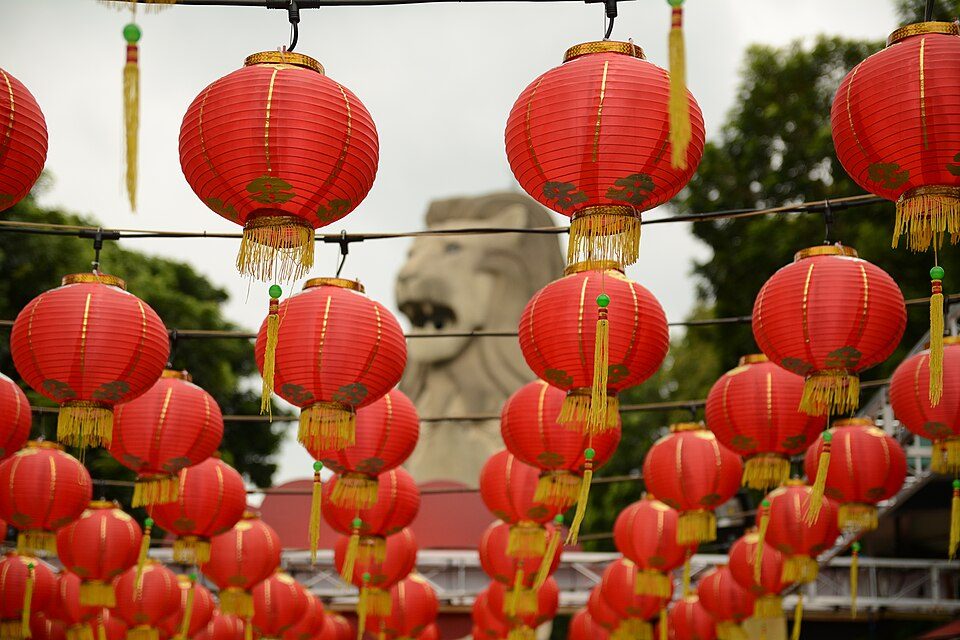
No. Lunar New Year (in 2027 it falls on February 6, the Year of the Goat, sometimes called the Year of the Sheep) is celebrated with red envelopes of money (hóngbāo), family dinners, dumplings, mandarins and oranges, and lanterns. The fortune cookie is practically unknown in China, as our history of fortune cookies explains.

What does make sense on that date is mixing it with genuine traditions: a lucky number like 8, linked to prosperity in China (see what numbers mean in different cultures), or a red envelope next to dessert. The key is not to present it as a "Chinese tradition": it isn't one.
Seven ideas for using fortune cookies at your party
- One per guest, at midnight. Everyone opens theirs right after the countdown and reads the fortune aloud.
- Twelve slips, one per month. Write twelve wishes or messages and keep them in a jar. Open one on the first of each month during the year.
- A letter to next year. Each guest writes a line or resolution on a slip, everything goes in a jar and you open it next New Year's Eve.
- Resolutions for fortunes. Before opening a cookie you must say a resolution out loud. The fortune is read afterwards, as the "answer".
- Guess who. Everyone writes a funny line about another guest without signing it and the group guesses who it's about.
- Numbers for the first draw. Treat your cookie's numbers as a game, without expecting anything. We explain the real lottery math on the numbers page.
- Place-setting gift. A cookie beside each plate is a cheap touch that breaks the ice. For your own messages, use the fortune slip maker or bake them at home with the recipe.
Fortunes for the occasion
If you'd rather write your own, short, positive messages with a touch of humor work best. Some examples:
- This year your best resolution will be the one you actually keep.
- The best thing about a new year is that you haven't had time to ruin it yet.
- Someone at this table will give you good news before March.
- Twelve months, twelve chances. Start with the easiest one.
- Luck doesn't knock: it slips in while you're busy doing something.
You'll find many more in the sayings by theme, with love, humor and motivation sections.
For entertainment. The cookies and numbers on this site are a game. They predict nothing and don't improve your odds in any game of chance.
Frequently asked questions
Can I give fortune cookies on New Year's Eve?
Yes. It's not an established tradition, but it works very well as a table game and fits alongside any country's customs.
Are fortune cookies a Lunar New Year tradition?
No. They're Japanese-American in origin and almost unknown in China. Lunar New Year is celebrated with red envelopes, dumplings and lanterns.
How many grapes do you eat on New Year's Eve?
Twelve, one for each stroke of midnight, to bring twelve months of good luck. It's a Spanish custom that has spread across much of Latin America.
When is Lunar New Year in 2027?
On February 6, 2027. It's a movable date: it usually falls on the second new moon after the winter solstice.